Values and Goals
As a Protestant voice, we bear witness to the joyful and liberating message of Jesus Christ.
Church Communion of 40 million Protestants
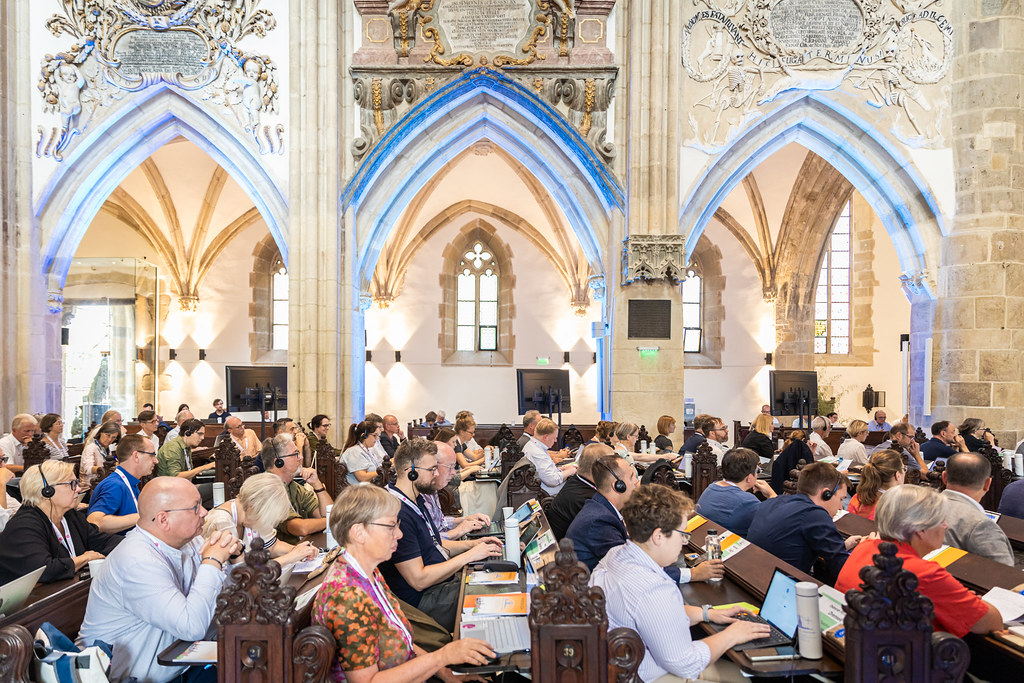
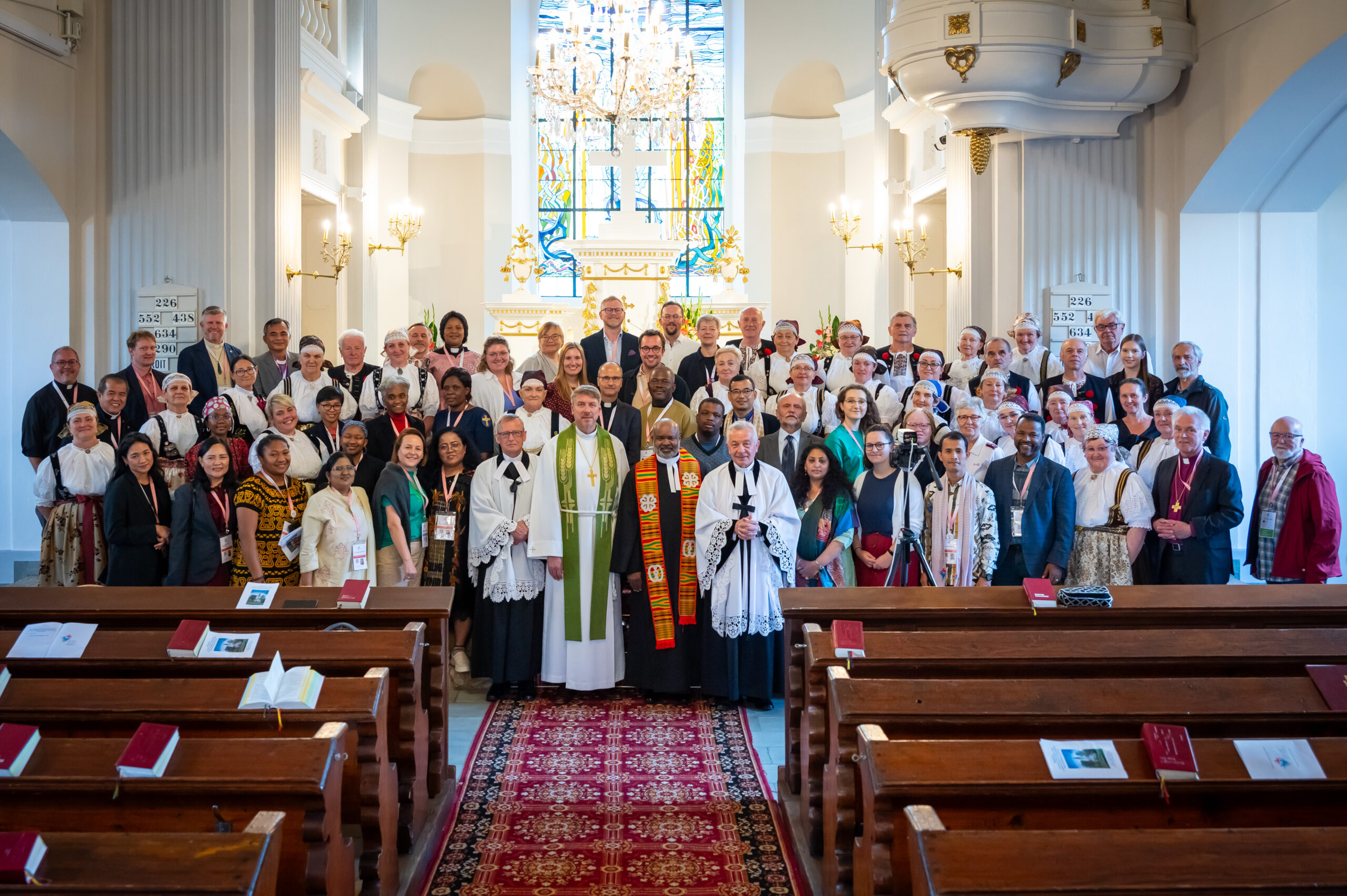
The Communion of Protestant Churches in Europe (CPCE) is a church communion in Europe that brings together 96 Lutheran, Methodist, Reformed, and United churches in 30+ countries in Europe and South America. It has a total of 40 million Protestant members. By signing the Leuenberg Agreement in 1973, the member churches committed themselves to “common witness and service.” To this day, they work together to deepen the church communion wherever possible, despite their existing differences. The common confession of faith in the Church of Jesus Christ is the unifying bond for these churches, which is lived out in many different cultural contexts, languages, and liturgies.
Worship communion
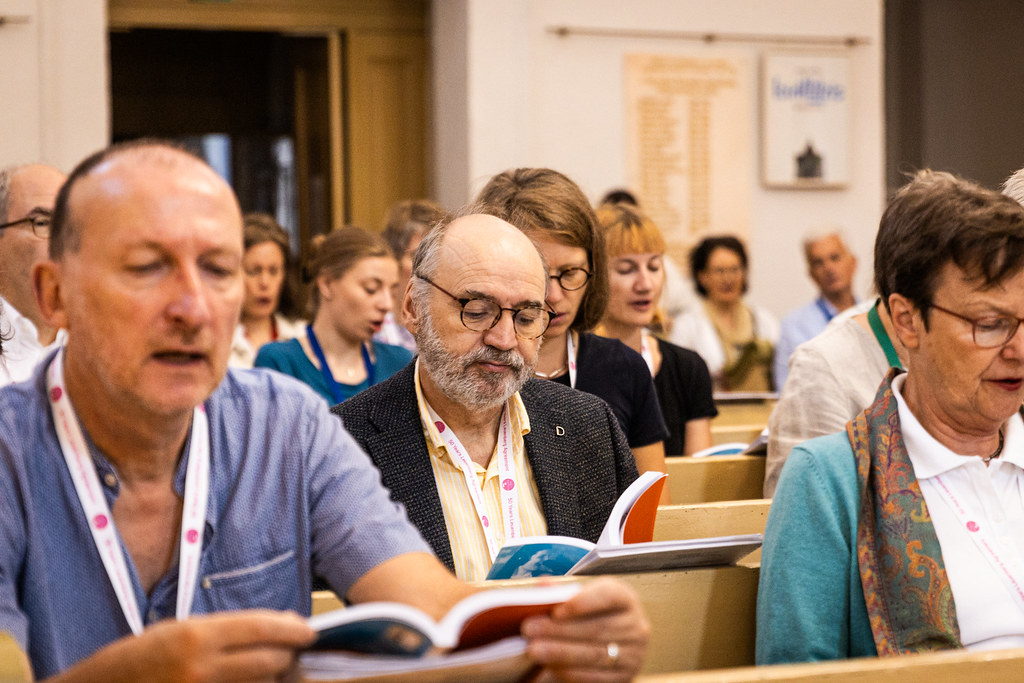
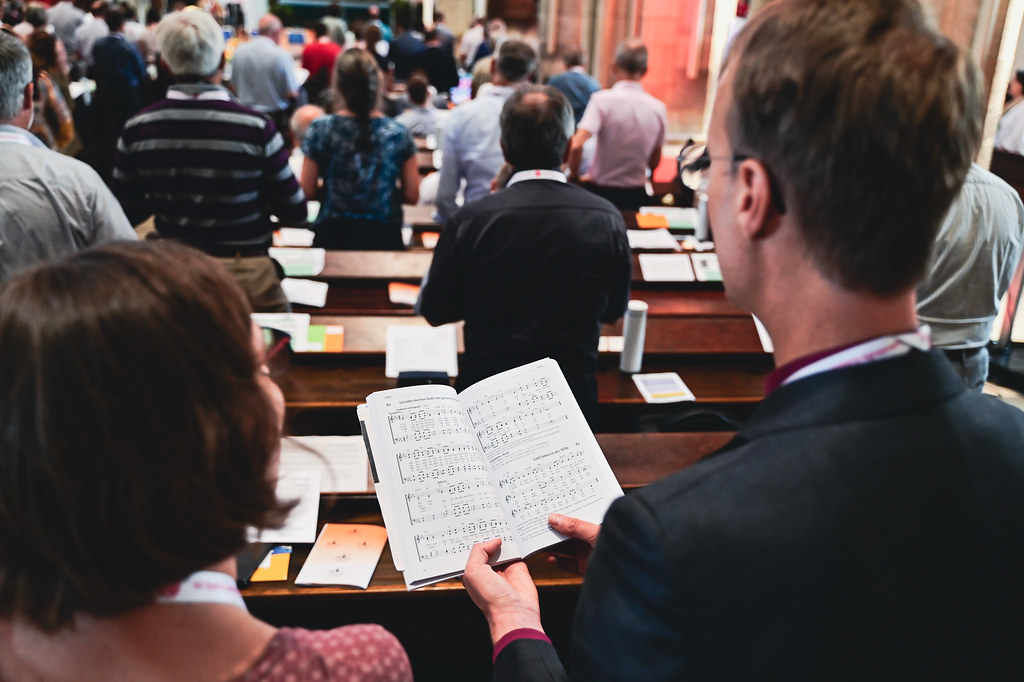
The CPCE is a worship communion. The churches celebrate worship and the Lord’s Supper together and recognize one another’s baptism and ordination. They exchange information about their liturgical traditions through the Advisory Board on Liturgy and they sing from the CPCE’s common European hymnal, “Colours of Grace.”
United voice of the Protestant churches in Europe
The CPCE is the common voice of Protestants. Many member churches are minority churches that carry out their mission under sometimes difficult conditions. In a changing Europe, the CPCE strengthens and unites the voice of Protestants vis-à-vis the political institutions in Europe.
Publications on church and society, ethics, and liturgy
We support our 96 member churches with academic publications on current theological, social-ethical, and political issues. Central to our work is the question of how the Word of God can be interpreted and how it works in today’s contexts.
Goals
Defining theological foundations
The CPCE develops its positions in international doctrinal discussions and study processes, which are determined and adopted by 200 delegates at the General Assembly approximately every six years.
Unity in reconciled diversity
The churches remain different in their traditions, but recognise each other as equal churches.
Solidarity and support
The church communion provides support, especially in times of crisis.
Pan-Protestant doctrine on the church
The CPCE makes a statement. It has provided important impetus for ecumenism. The study “The Church of Jesus Christ” was the first time that a pan-Protestant doctrine of the church was formulated. The follow-up study “Church and Israel” then made this doctrine fruitful for the relationship between Christians and Jews. In the following years, important statements on decision-making in ethical questions and on the missionary task of the churches have been added.
Defining positions on ecclesiastical, political, and social developments
The CPCE has its finger on the pulse of the times. With its Advisory Board on Ethical Issues and its Advisory Board on Ecumenism, it has two expert committees that enable it to speak authoritatively on important ecclesiastical and political developments and to bring the position of the churches into political and civil society channels.